If you’ve ever managed employees using spreadsheets, emails, or a mix of disconnected tools, you’ll already understand the problem HR software is designed to solve.
At its core, HR software helps businesses manage their people more efficiently. That includes everything from tracking employee data and managing absence, to handling recruitment, performance, and reporting.
But the role of HR software has changed a lot over the past few years. What used to be a simple admin tool is now becoming a central system for how businesses operate, make decisions, and scale their teams.
So what exactly is HR software, and why are more businesses starting to rely on it?
HR software is a digital platform that brings together different HR processes into one place.
Instead of managing everything manually, businesses can use HR software to:
In simple terms, it replaces manual processes with a structured system that keeps everything organised and visible.
This becomes especially important as a business grows. What works with 3 or 4 employees quickly becomes difficult to manage with 10, 20, or more.
The shift towards HR software isn’t just about convenience. It’s being driven by how businesses are growing and how much more there is to manage.
As teams expand, so does the complexity behind the scenes. More employees means more data, more processes, and more responsibility. What once worked with a small team quickly becomes difficult to manage as things scale.
Manual systems like spreadsheets and email threads often start to break down. Information gets lost, processes become inconsistent, and simple tasks begin taking far longer than they should.
This is where HR software becomes essential.
Instead of juggling multiple tools or relying on manual tracking, businesses can manage everything in one place using HR software. That includes employee records, absence, performance, and reporting.
It also creates consistency. Onboarding follows the same structure, reviews happen regularly, and policies are applied properly across the business.
At the same time, expectations from employees are changing. People expect faster responses, clearer communication, and more visibility around things like leave, performance, and expenses. Without the right systems, this becomes difficult to deliver.
As a result, HR software is no longer something businesses add later. It’s becoming a core part of how companies operate as they grow.

Most businesses don’t start out looking for HR software. They usually reach a point where their current way of working stops being effective.
Some of the most common issues include:
Employee data is spread across emails, spreadsheets, and documents, making it difficult to get a clear overview.
Manual processes like tracking holidays, logging sickness, or approving expenses take up far more time than they should.
Without a structured system, things like onboarding, performance reviews, and policies can vary from employee to employee.
Without reliable data, it becomes harder to understand trends like employee performance, absence levels, or retention.
HR software brings all of this into one place, making it easier to manage and act on.
Not all HR software is the same, but most platforms include a core set of features.
A central place to store and manage employee information, including contracts, documents, and personal details.
Track holidays, sickness, and other types of leave in real time.
Manage job applications, candidates, and hiring processes.
Generate insights into your workforce, helping you make better decisions.
Allow employees to submit expenses and managers to approve them easily.
These features are designed to work together, giving businesses a complete view of their workforce.
One of the biggest misconceptions is that HR software is only for large companies.
In reality, most businesses start to need it when:
It’s less about company size, and more about complexity.
As soon as managing people starts to feel messy or time-consuming, that’s usually the point where HR software becomes valuable.
As businesses grow, HR becomes more than just admin. It plays a key role in:
This is where software becomes important.
According to research, only 46% of hiring processes in Europe are considered successful, with 18% of new hires leaving during probation. That highlights how difficult it can be to manage people effectively without the right systems.
HR software helps by creating structure, consistency, and visibility across all of these areas.
Instead of reacting to problems, businesses can take a more proactive approach.
HR software isn’t just about ticking boxes or replacing spreadsheets. It’s about having a system that actually supports how your business runs day to day.
That’s exactly where OlloHR comes in.
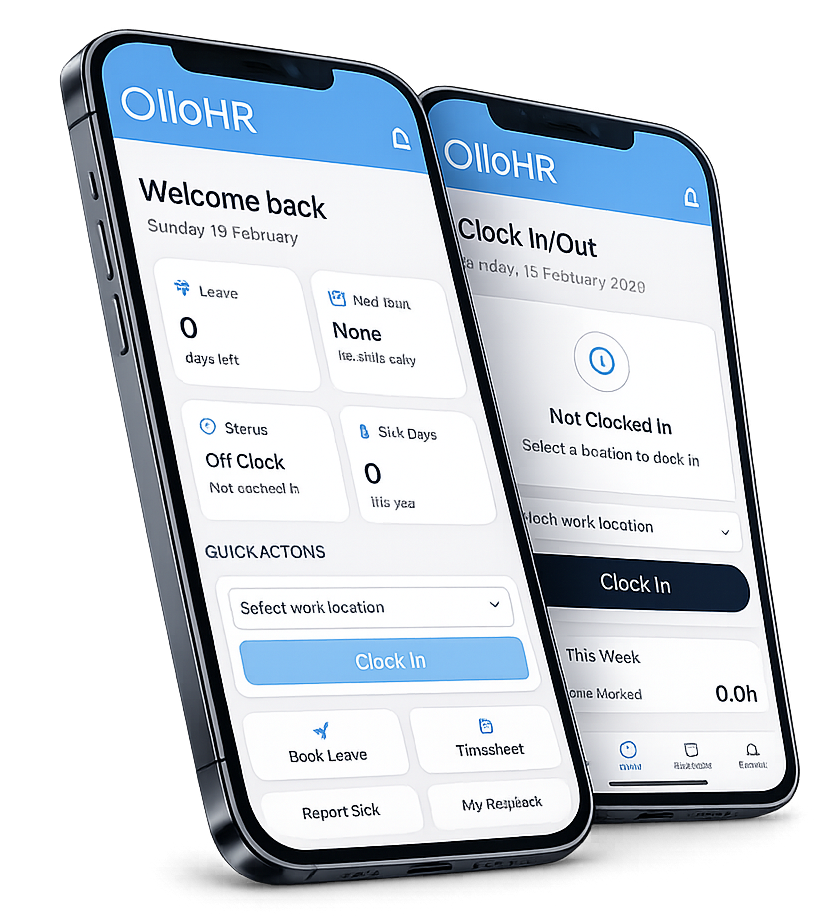
OlloHR is designed to bring everything together in one place, from employee management and absence tracking to performance, expenses, and reporting.
Rather than juggling multiple tools or relying on manual processes, businesses can manage everything through a single platform that’s easy to use and built for growing teams.
If you’re currently relying on spreadsheets or disconnected systems, switching to a dedicated HR platform can make a noticeable difference in both time and visibility.
You can explore how this works in more detail on the OlloHR homepage.
HR software has moved far beyond being a “nice to have”.
As teams grow and processes become more complex, having a central system in place becomes essential. It saves time, reduces errors, and gives you a clearer understanding of your workforce.
More importantly, it allows businesses to focus less on admin and more on building and managing a strong team.
And that’s ultimately what HR should be about.
Join hundreds of businesses already using OlloHR to manage their people, save time on admin, and gain clear insight into their teams. Start your 14-day free trial today — no contracts, no credit card required — and see how simple HR can be.